TMJ Meaning: 7 Essential Facts, Causes, Symptoms & Helpful Treatment Tips
TMJ meaning is temporomandibular joint, the pair of jaw joints connecting your lower jaw to your skull. If you searched because of jaw pain, clicking, headaches, ear discomfort, or difficulty chewing, the terminology can be confusing. In everyday speech, “TMJ” is also commonly used to describe a TMJ disorder, medically called TMD. This distinction matters because the joint itself is normal anatomy, while TMD describes problems affecting the joint, muscles, or related structures.
After reviewing current guidance from major U.S. medical sources, the clearest takeaway is reassuring: jaw sounds alone do not automatically mean you have a disorder. NIDCR notes that painless clicking can be normal, while persistent pain, locking, restricted movement, or painful jaw sounds deserve professional evaluation. This guide explains the anatomy, symptoms, causes, diagnosis, treatment, and practical next steps in plain English.
TMJ Meaning: What Are TMJ Disorders?
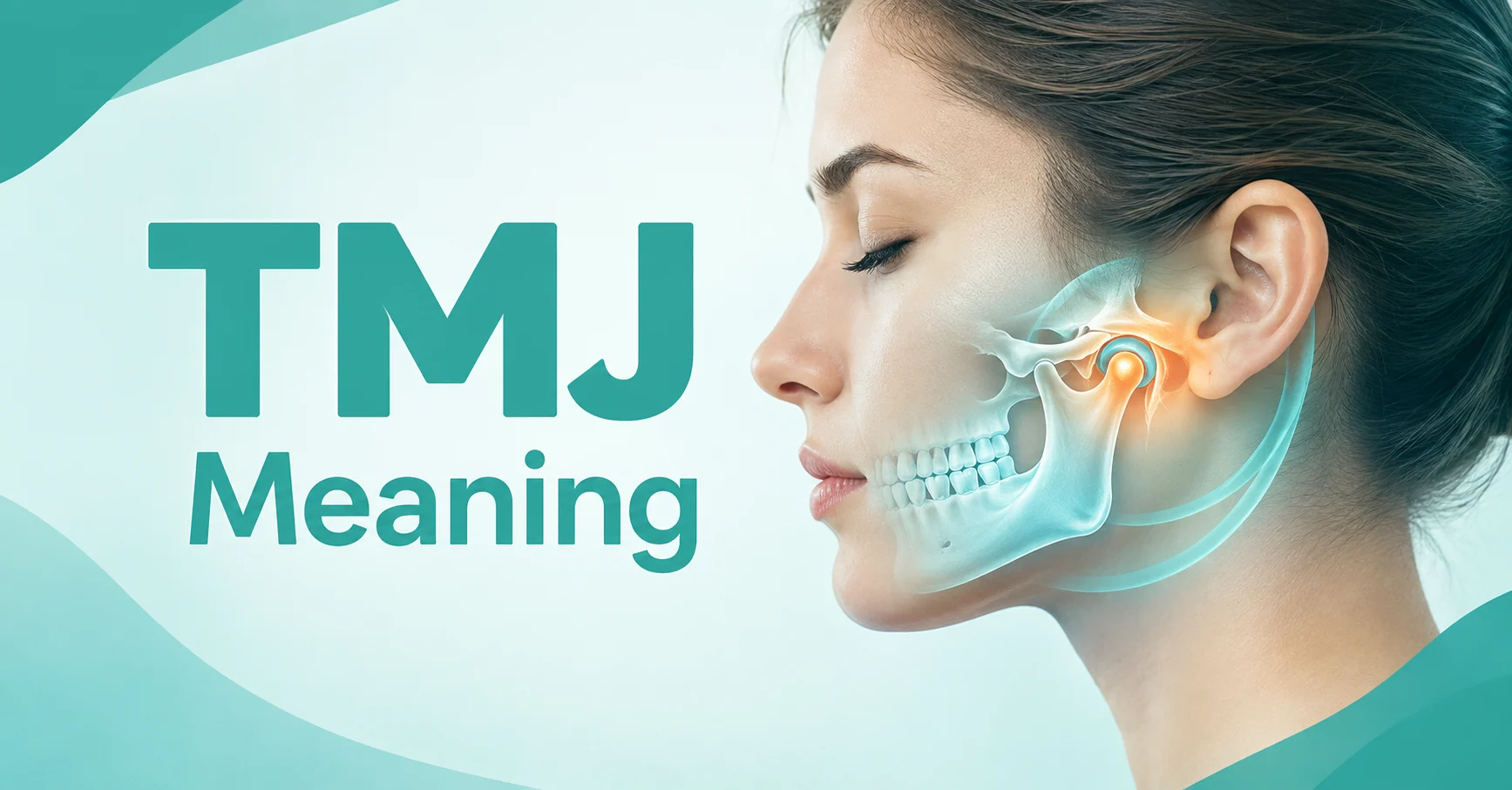
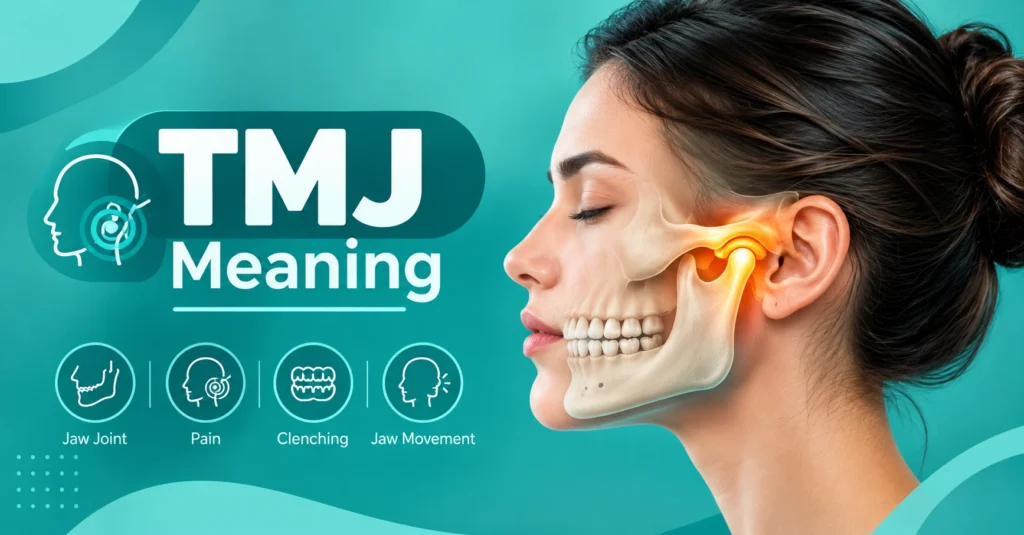
The basic TMJ meaning is temporomandibular joint. You have two TMJs, one on each side of your face, just in front of your ears. Each joint connects the mandible, or lower jawbone, with the temporal bone of the skull and helps coordinate speaking, chewing, swallowing, yawning, and other jaw movements.
A small articular disc helps cushion movement inside each joint, while surrounding muscles and ligaments control the jaw. TMD is the broader term for disorders involving the jaw joint and/or chewing muscles. NIDCR describes TMD as a group of more than 30 conditions, so “TMJ” alone does not identify one specific disease or cause.
Temporomandibular joint
The temporomandibular joint works differently from a simple hinge. Your jaw both rotates and glides as you open your mouth, allowing movement forward, backward, and from side to side. That coordinated action helps you bite food, speak clearly, swallow, yawn, and make everyday facial movements.
Because both joints work together, irritation or dysfunction on one side can affect how the jaw moves overall. The joint is located close to the ears, which helps explain why some people notice ear-related discomfort alongside jaw symptoms. Anatomy alone, however, does not establish a diagnosis.
TMJ Meaning: Symptoms and Causes
Common TMD symptoms include jaw or facial pain, tenderness around the joint, stiffness, limited mouth opening, jaw locking, and painful clicking or popping. Some people also experience headaches, neck discomfort, tooth pain, ear pain, ringing in the ears, or difficulty chewing. Symptoms can occur on one or both sides.
The cause is not always obvious. Possible contributors include jaw injury, arthritis, teeth grinding or clenching, muscle tension, and other biological, psychological, and life-stress factors. NIDCR emphasizes that research does not support the idea that a “bad bite” or orthodontic treatment is a general cause of TMD, an important point when evaluating conflicting online advice.
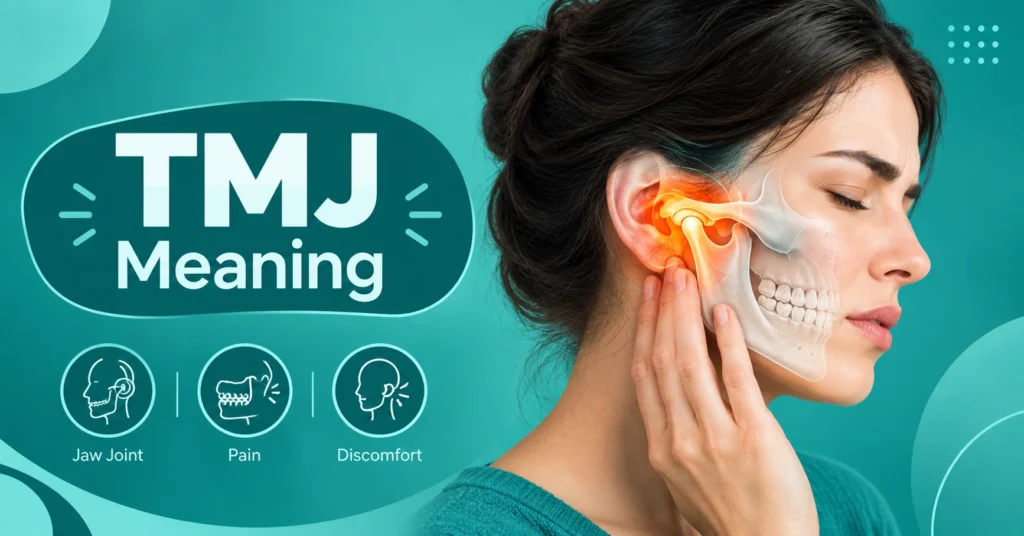
Temporomandibular joint dysfunction (TMD) symptoms
A useful distinction is between a jaw sound and a jaw disorder. Clicking or popping without pain or restricted movement is common and may not require treatment. Concern rises when sounds occur with pain, locking, limited movement, or difficulty performing normal activities such as eating or speaking.
Someone waking with jaw soreness may also have been clenching or grinding during sleep. Another person might notice pain after an injury. Because several conditions can produce similar facial symptoms, a symptom list from the internet cannot determine which TMD subtype, if any, is present.
TMD causes
TMD can have multiple contributing factors rather than one simple cause. An injury can damage joint structures, while arthritis may affect cartilage. Repeated clenching or grinding can place additional stress on the jaw. Stress may also contribute to muscle tension or behaviors that aggravate symptoms.
NIDCR says the exact cause is often unclear, and research suggests that genetics, psychological factors, life stressors, and pain perception may all influence how TMD develops or persists. That is why two people with similar symptoms may receive very different evaluations and treatment plans.
Risk factors
Potential risk factors include jaw injury, arthritis, habitual gum chewing, nail biting, teeth clenching or grinding, stress, and certain coexisting pain or sleep conditions. Risk does not mean that a person will definitely develop TMD; it simply describes factors associated with greater likelihood or symptom aggravation.
It is also worth avoiding overly simple explanations. Online discussions sometimes attribute every jaw problem to posture, bite alignment, or a single muscle. Current NIDCR guidance is more cautious, recognizing TMD as a complex group of conditions rather than one disorder with one universal explanation.
TMJ Meaning: Diagnosis and Tests
There is no single universal test that confirms every TMD. Diagnosis generally begins with your symptoms, medical and dental history, and a physical examination of the jaw, face, and neck. A clinician may check tenderness, jaw movement, clicking, popping, locking, and how widely you can open your mouth.
Imaging may be useful when a particular structural problem is suspected. Depending on the situation, clinicians may use dental X-rays, CT or cone-beam CT imaging, or MRI. These tests are not automatically necessary for everyone with jaw clicking. The appropriate evaluation depends on symptoms and clinical findings.
How doctors diagnose this disorder
During an evaluation, your dentist or physician may ask where the pain occurs, when it began, what makes it better or worse, and whether it spreads toward your face, neck, or head. They may also ask about headaches, grinding, clenching, previous injuries, and other pain conditions.
The purpose is not simply to label the problem “tmj meaning.” A careful assessment helps distinguish TMD from dental disease, infection, migraine, neuralgia, jaw injury, or other causes of facial pain. NIDCR notes that TMD symptoms can overlap with other conditions, making the history and examination particularly important.
TMJ Meaning: Management and Treatment
Treatment depends on the specific disorder, severity, duration, and symptoms involved. Many people begin with conservative care rather than invasive procedures. Options may include temporary dietary changes, heat or cold, gentle jaw exercises, reducing clenching or gum chewing, physical therapy, and appropriate pain medication.
Current NIDCR guidance recommends starting with simpler approaches when appropriate and being cautious about irreversible procedures that permanently alter the teeth, bite, or jaw joint. Surgery can have a role in selected cases, but it is not the automatic first step for someone who notices jaw pain or clicking.
How is TMD treated?
Treatment is individualized because TMD is an umbrella term rather than one single condition. A person with primarily muscular pain may receive a different plan from someone with significant joint damage or a specific disc disorder. Conservative management often focuses on reducing aggravating behaviors and restoring comfortable jaw function.
Medication may sometimes be used for symptom relief, while physical therapy can address movement and muscle function. Dental appliances may be considered in selected situations. More invasive procedures, including arthroscopy or surgery, are generally reserved for specific clinical circumstances after appropriate evaluation.
Nonsurgical options
Nonsurgical approaches can include soft foods for a period of time, avoiding extreme jaw movements, applying heat or cold, gentle exercises, physical therapy, relaxation techniques, and reducing habits such as gum chewing or daytime clenching. These measures are intended to reduce irritation and support comfortable function.
The appropriate approach depends on the person and diagnosis. A home remedy that helps one individual may not address another person’s underlying problem. If symptoms persist, worsen, or interfere with eating or normal jaw movement, professional evaluation is more useful than repeatedly trying unrelated internet remedies.
Physical Therapy
Physical therapy may be used to improve jaw movement, muscle function, and comfort. NIDCR cites evidence supporting manual therapy and therapeutic exercise for certain TMD problems. A trained physical therapist can assess the jaw and surrounding muscles and teach appropriate exercises rather than relying on aggressive self-manipulation.
A key point is that “exercise” does not mean forcing the jaw through painful movements. Treatment should be tailored to the underlying condition. If an exercise increases pain, locking, or other concerning symptoms, stop and discuss it with an appropriate healthcare professional rather than pushing through discomfort.
Self-Management and Behavioral Health Approaches
Self-management can involve becoming aware of clenching, reducing gum chewing or nail biting, practicing relaxation techniques, and setting realistic goals for managing symptoms. Stress does not mean that jaw pain is imaginary; stress and muscle tension can interact with pain and jaw behaviors in complicated ways.
Behavioral approaches such as relaxation training, cognitive behavioral therapy, and biofeedback have also been studied for TMD-related pain. These approaches can be especially relevant when chronic pain, muscle tension, or habitual clenching becomes part of a repeating cycle that is difficult to break.
Medications
Medication choices should depend on your health history and the advice of a qualified clinician. Cleveland Clinic lists options that may include acetaminophen, NSAIDs such as ibuprofen or naproxen, muscle relaxants in selected circumstances, and other medicines for chronic pain. NIDCR emphasizes that evidence varies among medications.
Do not assume that a stronger medication is automatically a better treatment. Some medicines have significant side effects or risks, and prescription options should be used according to professional instructions. If you already take other medications or have underlying medical conditions, ask your clinician or pharmacist before adding pain medicine.
Intraoral Appliances
Intraoral appliances include devices such as nightguards and stabilization splints that fit over the teeth. They may protect teeth from grinding and can help some people manage clenching-related problems. However, NIDCR notes that evidence about their ability to improve TMD pain is limited for some applications.
An appliance should not be treated as a universal cure. If a device causes additional pain or changes your bite in a concerning way, contact your dentist or physician. Before using a permanent or bite-changing appliance, understand its purpose, expected benefit, risks, and alternatives.
Surgical options
Surgery is generally considered for selected TMD situations rather than routine jaw clicking. Procedures can include arthrocentesis, arthroscopy, or open-joint surgery depending on the underlying problem. NIDCR recommends discussing simpler treatments, alternatives, potential benefits, and risks before considering invasive procedures.
For severe structural damage, persistent symptoms despite appropriate conservative care, or specific joint conditions, surgery may have a role. The important point is diagnosis first. “I have TMJ” does not by itself indicate that surgery is appropriate, because TMD includes many different disorders with different treatment needs.
TMJ Meaning: Outlook / Prognosis
The outlook varies because TMD is a group of conditions rather than one disease. NIDCR notes that many TMD problems are temporary and improve without treatment, while some become chronic. Cleveland Clinic similarly explains that some people improve relatively quickly while others require longer-term management.
That variation can be emotionally frustrating, especially when jaw pain interferes with eating, sleeping, speaking, or concentrating. The encouraging part is that persistent symptoms do not automatically mean permanent disability. A proper evaluation can identify contributing factors and help determine whether conservative care, specialist treatment, or further testing makes sense.
Can TMJ Meaning disorder be cured?
Whether TMD can be completely resolved depends on the underlying condition. Some episodes improve naturally, while chronic or structural disorders may require ongoing management. It is therefore more accurate to discuss prognosis in terms of the specific TMD rather than promising a universal cure.
If symptoms are persistent, painful, or interfering with daily life, a dentist, physician, or qualified orofacial pain professional can help determine the next step. Avoid providers who promise that one procedure, bite adjustment, supplement, or exercise will cure every form of TMD.
TMJ Meaning: When to See a Doctor
You should consider professional evaluation when jaw pain persists, repeatedly returns, limits normal movement, or makes chewing difficult. Mayo Clinic advises seeking medical attention for constant jaw pain or tenderness, particularly when it occurs suddenly or with jaw movement, and when you cannot completely open or close your jaw.
Urgent evaluation may be appropriate when jaw symptoms follow significant trauma or are accompanied by concerning symptoms that could indicate another medical problem. The goal is not to diagnose yourself from symptoms but to make sure potentially important causes are not overlooked.
TMJ Meaning: Helpful Tips
If your jaw is uncomfortable, temporarily choosing softer foods and avoiding excessive chewing may reduce mechanical stress. You can also pay attention to daytime clenching, avoid chewing ice or hard objects, and use heat or cold according to professional advice. Gentle movement is generally preferable to forceful jaw manipulation.
Most importantly, don’t let the word “TMJ” frighten you into unnecessary treatment. A clicking jaw without pain can be normal, while persistent painful symptoms deserve proper assessment. Current NIDCR guidance favors conservative approaches first for many people and encourages careful discussion before irreversible treatments.
Quick TMJ meaning reference
| Term | What it means |
| TMJ | Temporomandibular joint |
| TMJs | The two jaw joints, one on each side |
| TMD | Temporomandibular disorders |
| Mandible | Lower jawbone |
| Articular disc | Cartilage structure that helps cushion the joint |
| Bruxism | Clenching or grinding the teeth |
| TMD symptoms | May include pain, stiffness, locking, and painful jaw sounds |
The distinction between TMJ and TMD is particularly important: TMJ is the anatomical joint, while TMD describes disorders involving the joint and/or related chewing muscles. NIDCR makes this distinction explicitly.
Conclusion
Understanding the TMJ meaning can make jaw pain, clicking, stiffness, or difficulty chewing easier to recognize and discuss. The temporomandibular joints connect your jawbone to your skull and help with everyday movements such as speaking, eating, and yawning. While occasional jaw sounds may not always indicate a serious problem, persistent pain or limited movement deserves attention.
Simple habits, stress management, and professional guidance may help depending on the underlying cause. If your symptoms continue, worsen, or interfere with daily activities, consider speaking with a dentist or healthcare professional. Knowing what TMJ refers to is a useful first step toward understanding your symptoms and taking appropriate care of your jaw.
FAQs
Author

Ethan Carter is an SEO blogger specializing in internet slang, text abbreviations, and social media meanings. He creates clear, accurate, and reader-friendly content backed by thorough research. His goal is to help readers understand modern online language with reliable, easy-to-read guides.