Elephant Tattoo Meaning: 7+ Powerful Symbols to Know
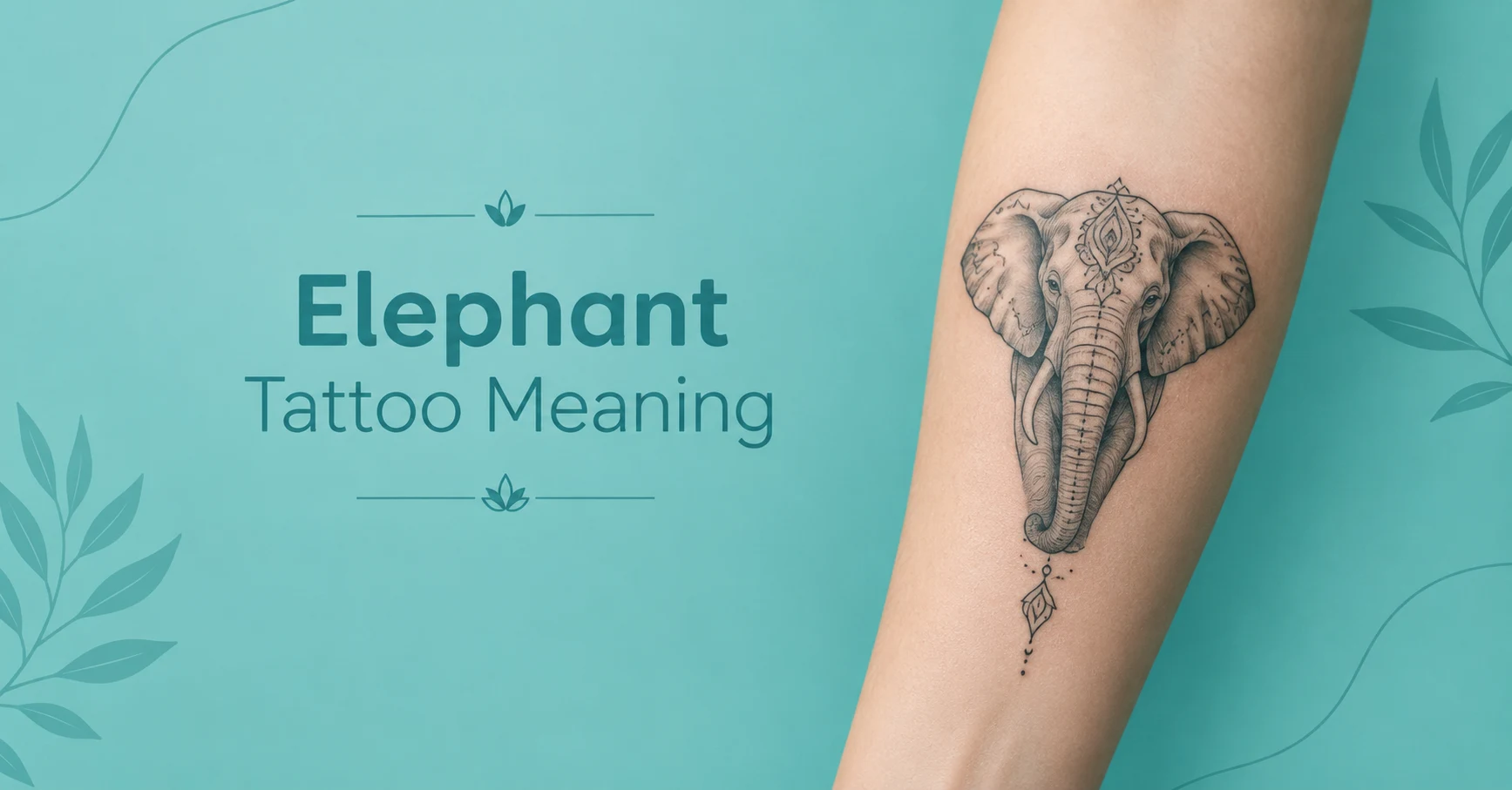
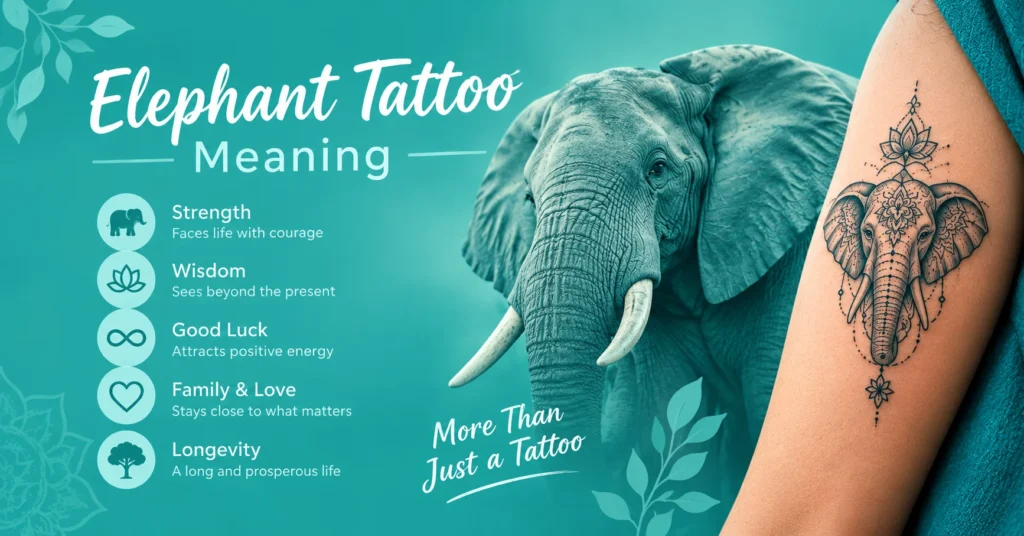
An elephant tattoo meaning most commonly relates to strength, wisdom, family loyalty, protection, memory, and good fortune. Depending on its design, an elephant tattoo can also represent motherhood, resilience, spiritual beliefs, or a fresh start. A raised trunk is often associated with luck, while a mother elephant and calf can symbolize unconditional love and family bonds.
Choosing an elephant tattoo is often about more than finding attractive body art. The animal’s intelligence, gentle nature, and strong social relationships give the design emotional depth. Whether you prefer a minimalist outline, a detailed elephant portrait, or a spiritual design inspired by Ganesha, understanding its symbolism can help you choose a tattoo that reflects your values and personal story.
What does an elephant tattoo mean?
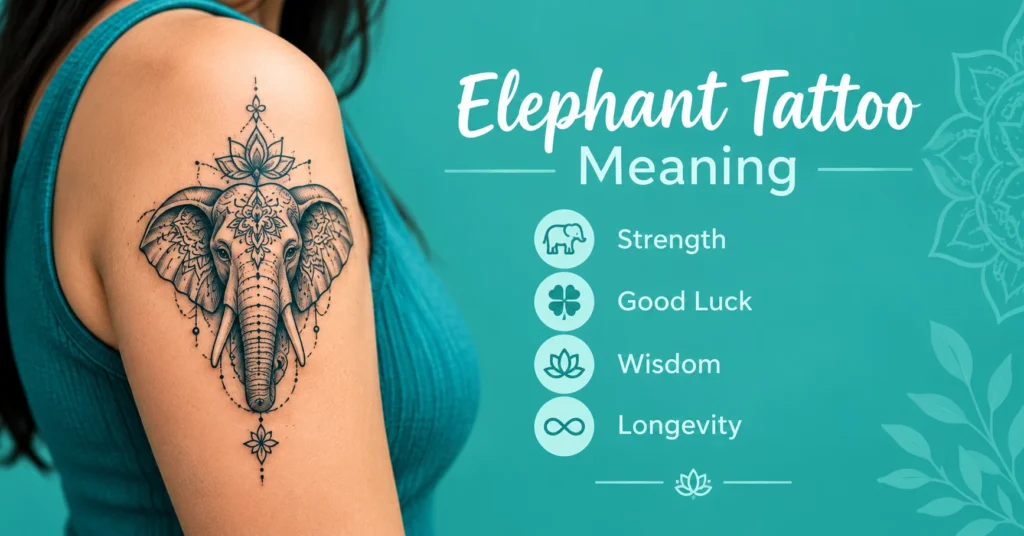
The most widely recognized elephant tattoo meaning are wisdom, strength, loyalty, family, protection, patience, and remembrance. These associations come partly from elephants’ real behavior, including their strong social bonds and the important role experienced females play in leading herds. For many people, an elephant represents quiet strength rather than aggression.
An elephant tattoo can also become a personal reminder of something difficult you have overcome. Someone rebuilding their life after a major change might choose the animal to represent perseverance, while another person might use it to honor a parent or preserve a meaningful memory. The symbolism is a starting point, not a fixed definition.
Strength without aggression
Elephants are physically powerful, yet their symbolic appeal often comes from the balance between power and gentleness. A tattoo can represent the ability to stand firm, protect loved ones, and face difficult circumstances without becoming cruel or confrontational. This makes the elephant a meaningful emblem of calm confidence.
Wisdom and memory
Elephants are known for sophisticated social behavior, learning, and long-term memory. In tattoo symbolism, these qualities can represent experience, thoughtful decisions, family history, and lessons learned over time. A realistic elephant portrait or an older elephant surrounded by smaller ones can reinforce the idea of knowledge passed between generations.
Loyalty, protection, and family
Elephant herds maintain strong relationships, and females cooperate in caring for calves. Consequently, an elephant tattoo often represents devotion, belonging, and looking after the people who matter most. It can honor a close-knit family, a supportive friendship, or the determination to protect someone through a challenging period.
What each elephant tattoo design means
The design can communicate a more specific message than the animal alone. A mother-and-calf tattoo emphasizes family, while a raised-trunk elephant is often associated with good luck. A minimalist outline can feel intimate and understated, whereas an intricate portrait may communicate admiration for the animal itself.
Before choosing artwork, consider which meaning matters most to you. If your intention is to commemorate a loved one, a small elephant with a meaningful date may be more appropriate than an elaborate spiritual composition. If your goal is to express personal growth, a walking elephant or a design incorporating natural elements may fit your story better.
Mother and baby elephant tattoo
A mother-and-baby elephant tattoo meaning commonly symbolizes maternal love, protection, family unity, and the bond between generations. It is a popular choice for parents, adult children honoring their mothers, and families seeking a lasting symbol of togetherness. Additional elephants can represent siblings or other important family members.
Small and minimalist elephant tattoo
A small elephant tattoo often communicates a quiet, personal connection rather than a dramatic statement. Simple linework works well for someone who wants a subtle reminder of resilience, wisdom, or family. Popular locations include the wrist, ankle, and behind the ear, although the best placement depends on the design and personal preference.
Mandala and geometric elephant tattoo
A mandala elephant combines the animal’s symbolism with intricate, symmetrical patterns. Depending on the design, it can suggest balance, harmony, reflection, or spiritual exploration. Geometric elephants offer a more contemporary look, using shapes and precise lines to create artwork that feels structured, modern, and visually distinctive.
Elephant and lotus tattoo
An elephant paired with a lotus can represent perseverance, spiritual development, or the possibility of growth through difficult circumstances. Lotus symbolism varies across traditions, so the precise interpretation depends on the imagery and cultural context. This combination may suit someone who wants a tattoo that expresses transformation without relying on words.
What Does an Elephant Tattoo Mean in Different Cultures?
Elephant symbolism is not identical across cultures. In some religious traditions, elephants have sacred associations; in other contexts, they represent leadership, stability, prosperity, or family relationships. Understanding these distinctions helps you choose artwork thoughtfully, especially when a design draws on religious figures or traditional sacred-tattoo practices.
Cultural context matters most when the design includes recognizable religious imagery rather than a general elephant silhouette. Research the symbols, discuss the intended meaning with your tattoo artist, and avoid treating different Asian or African traditions as interchangeable. A respectful design acknowledges the tradition it references instead of reducing it to decoration.
Hindu symbolism and Ganesha
In Hinduism, Ganesha is an elephant-headed deity widely associated with wisdom, auspicious beginnings, and the removal of obstacles. A Ganesha tattoo may represent devotion, guidance, or hope during a new chapter of life. Because the image is religiously significant, learn about its iconography and consider appropriate placement before committing.
Buddhist and Southeast Asian symbolism
Elephants hold important symbolic roles in several Buddhist and Southeast Asian cultural contexts. White elephants, in particular, have sacred and royal associations in parts of the region. An elephant tattoo inspired by these traditions may express spiritual aspiration, dignity, or good fortune, but its meaning depends on the specific cultural reference.
African symbolism
Elephants can represent leadership, strength, wisdom, and community in various African cultural contexts. Interpretations differ among communities, so it is inaccurate to assign one universal meaning to all African traditions. A design inspired by a specific African art form should be researched in its own historical and cultural context.
Chinese symbolism and feng shui
In Chinese-inspired symbolism and feng shui, elephant imagery is sometimes associated with stability, protection, harmony, and good fortune. These associations can influence tattoo choices, particularly when an elephant is shown with its trunk raised. Interpretations vary, however, and a tattoo should not be treated as a guarantee of prosperity or success.
Does placement change the meaning?
There is no universal rule that an elephant tattoo on the wrist means something different from one on the shoulder. Placement more reliably affects visibility, size, privacy, and the level of detail an artist can comfortably include. The design’s symbolism and the wearer’s intention generally matter more than the body location itself.
For example, a small elephant on the ankle may serve as a private reminder of family, while a large elephant portrait on the upper arm may openly express admiration for the animal. Hand and finger tattoos are highly visible and may fade or require touch-ups sooner. Discuss healing, skin movement, and long-term detail with your artist.
Elephant Tattoos and Emotional Connection
An elephant tattoo can preserve a memory, celebrate a relationship, or mark a significant life transition. For someone who has lost a parent, a small elephant might symbolize enduring love. For a new parent, a mother-and-calf design may reflect the responsibility and tenderness of raising a child.
These personal meanings are not universal rules, and that is part of their value. Two people can choose almost identical elephant tattoos for entirely different reasons. Adding a date, initials, a flower, or a subtle background element can make the design more personal, provided the details remain clear and age well as the tattoo heals.
Honoring motherhood and family bonds
Family-themed elephant tattoos can celebrate parenthood, siblings, grandparents, or the people who have provided support during difficult times. A group of elephants may represent a family unit, while a mother and calf can emphasize nurturing and protection. The best arrangement reflects the relationships you actually want to commemorate.
Remembering a loved one
An elephant tattoo can act as a memorial to someone who remains important in your life. A name, date, small heart, or favorite flower may personalize the design without overwhelming it. The association with memory and loyalty makes the elephant a fitting choice for a tribute, though the meaning ultimately comes from the person being remembered.
Marking personal growth
Some people choose an elephant tattoo after completing a difficult chapter, reaching a goal, or learning to approach life with greater patience. In this context, the animal symbolizes perseverance and grounded confidence. A walking elephant, a growing natural motif, or a simple outline can mark progress without suggesting that personal growth is ever completely finished.
Why the elephant is a common mental health tattoo
For some wearers, elephant tattoos represent resilience while living with anxiety, depression, grief, or other emotional challenges. The animal’s combination of strength, sensitivity, and close social bonds can serve as a reminder to keep moving forward and seek support. This is a contemporary personal interpretation rather than a universal or ancient religious meaning.
A tattoo can be meaningful, but it does not replace mental health care or support from trusted people. If this symbolism resonates with you, consider what you want the image to remind you of on difficult days. A simple elephant, a family group, or a small accompanying symbol may communicate that intention without making the design overly complicated.
Finding the Right Elephant Tattoo Design
Start by identifying the feeling or value you want the tattoo to represent. Family, protection, good fortune, remembrance, and personal resilience each suggest different design choices. Save a few references, note which elements matter most, and explain your intention to an artist whose portfolio matches your preferred style.
Next, consider size, placement, linework, shading, and the way the design may age. Fine details may need more room to remain legible, while a minimalist elephant can work well at a smaller scale. Review healed examples of the artist’s work, discuss hygiene and aftercare, and confirm the final artwork before the appointment.
A good design does not need to include every symbol at once. One clear elephant silhouette can communicate your message more effectively than a crowded composition containing multiple cultural motifs. If you choose a religious design, learn what the imagery represents and discuss cultural considerations before deciding where it belongs on your body.
Ultimately, the most meaningful elephant tattoo is one that reflects your own values while respecting the symbolism behind the art. Let the design tell your story rather than choosing a motif simply because it is popular.
Conclusion
The elephant tattoo meaning most often centers on wisdom, strength, family loyalty, protection, memory, and good fortune. A mother-and-calf design can celebrate family, a raised trunk is commonly associated with luck, and a Ganesha tattoo may express religious devotion or hope for a new beginning.
The right choice depends on your personal story, the cultural context of the artwork, and the design you will feel connected to over time. Explore different styles, speak with an experienced tattoo artist, and choose a meaningful image that you will be happy to carry with you.
FAQs
Author

Ethan Carter is an SEO blogger specializing in internet slang, text abbreviations, and social media meanings. He creates clear, accurate, and reader-friendly content backed by thorough research. His goal is to help readers understand modern online language with reliable, easy-to-read guides.