
Waist Beads Meaning: 10+ Fascinating Secrets Behind Their Colors & Symbolism
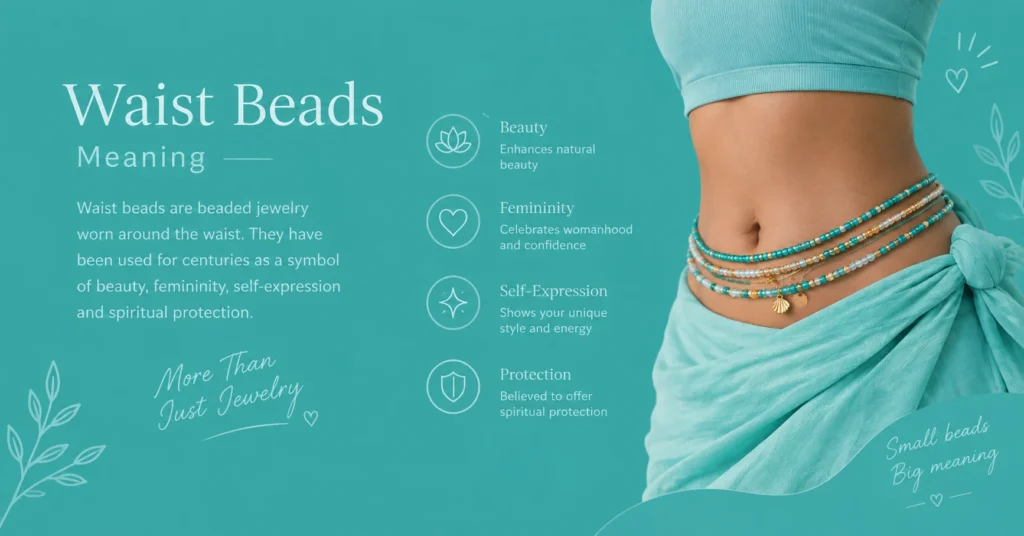
Waist beads meaning varies across African cultures and individual experiences, but these beaded strands commonly represent beauty, femininity, cultural heritage, maturity, and personal expression. Traditionally worn around the waist or hips, waist beads have deep roots in several West African communities, including Ghana and Nigeria. Today, they also serve as fashion accessories and reminders of confidence, self-awareness, and personal intentions.
If you have seen waist beads meaning online and wondered whether they symbolize love, fertility, spirituality, or something more personal, the answer depends on the tradition and the person wearing them. Understanding their history, colors, materials, and modern interpretations helps you appreciate these meaningful accessories without assuming that every strand carries the same message.
What Are Waist Beads?
Waist beads are strands of small beads threaded onto string or wire and worn around the waist or hips. They may feature glass, gemstones, crystals, shells, or other decorative materials. Some designs use a permanent tie, while others include a clasp that makes them removable. Depending on personal preference, the beads can remain hidden beneath clothing or become part of an outfit.
Although waist beads meaning are increasingly popular in the United States, their cultural history extends beyond contemporary fashion. In some West African communities, they are associated with traditional ceremonies, beauty, identity, and important stages of life. Their meaning is not universal, however. A person might wear them to honor family heritage, while someone else chooses a strand simply because they enjoy the craftsmanship and appearance.
The Meaning of Waist Beads
The meaning of waist beads meaning often centers on femininity, confidence, maturity, beauty, and cultural connection. For some wearers, the beads represent a personal milestone or a reminder of an intention they want to carry throughout the day. For others, they are treasured pieces of jewelry that connect present-day style with family history and community traditions.
Waist beads can also carry intimate or spiritual meanings within particular cultural settings. Some people associate them with fertility, protection, sensuality, or well-being, but these interpretations reflect individual or community beliefs rather than guaranteed effects. There is no single symbolic meaning that applies to every wearer. Understanding the context is more respectful and accurate than assuming that a person’s beads reveal their relationship status, beliefs, or private life.
A Brief History of Waist Beads
Waist beads have longstanding associations with several African societies, particularly in West Africa. In Ghana, beads play important roles in cultural identity and ceremonies, including naming celebrations, marriage traditions, and rites marking transitions in life. Different communities use their own terminology and designs, reflecting distinct histories and local practices.
In contemporary America, waist beads have also become a way for some people in the African diaspora to explore cultural identity, personal style, and connections to ancestry. Their modern popularity does not erase their traditional significance. At the same time, it is important not to describe every African culture as sharing identical customs. The specific meaning of a strand depends on its origin, the person who wears it, and the context in which it is used.
Why do people wear waist beads?
People wear waist beads meaning for a range of reasons, including cultural pride, beauty, self-expression, personal symbolism, and awareness of how their bodies feel. Some choose a strand for an important life event, while others enjoy wearing beads every day as part of their personal style.
There is no requirement to attach a spiritual or traditional meaning to every strand. A simple accessory can be meaningful because it reminds someone of a loved one, celebrates a personal achievement, or makes an outfit feel complete. The key is to understand that the wearer determines much of the personal meaning, while cultural traditions provide additional context for certain designs and practices.
Weight awareness
Because a strand of waist beads meaning may fit differently as the waist changes, some wearers use it as a simple reminder to notice changes in fit. This is not a precise health measurement, and tightness can also change with posture, bloating, or placement. Waist beads do not cause weight loss, burn fat, or reliably measure health.
Maturity
In some West African traditions, waist beads meaning are associated with growing up, womanhood, or significant stages of life. Particular strands may be given during family or community ceremonies. These customs differ by community, so it would be inaccurate to assume that wearing waist beads always indicates a person’s age, maturity, or life experience.
Intimacy and fertility
Some wearers associate waist beads meaning with sensuality, intimacy, fertility, or personal confidence. Within certain traditions, the beads may carry private significance shared with a partner or family member. These meanings are not universal, and wearing waist beads does not indicate someone’s sexual activity, fertility status, or relationship situation.
Heritage and pride
For some people in the African diaspora, waist beads meaning provide a tangible connection to African heritage and cultural expression. Choosing handmade beads or learning about their origins can make the accessory more meaningful than a fashion trend alone. Others wear them for aesthetic reasons. Both personal enjoyment and cultural appreciation can coexist when traditions are approached respectfully.
Posture
Waist beads may make wearers more aware of their midsection as they sit, move, or breathe. Some people find this sensory reminder helpful when checking their posture or body position. However, the beads do not correct posture by themselves or replace appropriate movement, exercise, or professional advice when needed.
What are the meanings of the colors and stones?
Color symbolism is a popular reason people search for waist beads meaning. Online guides often associate particular colors with emotions, intentions, or spiritual themes. These associations can be useful for choosing a strand, but they should not be treated as a universal African color code. Cultural traditions and individual preferences differ, and some people choose colors simply because they look beautiful together.
Color meanings
The following table summarizes common contemporary symbolic associations, not fixed meanings shared by all African communities.
| Color | Common modern association |
| Blue | Peace, harmony, truth |
| Red | Confidence, passion, vitality |
| Green | Growth, abundance, renewal |
| White | Clarity, purity, fresh beginnings |
| Black | Strength, protection, power |
| Brown | Earthiness, stability, connection to nature |
| Purple | Wisdom, spirituality, royalty |
| Gold | Wealth, achievement, prestige |
| Yellow | Joy, optimism, energy |
Ghana’s National Commission on Culture documents cultural meanings associated with bead colors, including blue with peace, red with vitality, and gold with royalty and wealth. However, meanings can vary according to the community and the specific ceremonial context.
For example, someone might select blue waist beads meaning as a personal reminder to seek calm, while another person might choose red to celebrate confidence. These are individual interpretations, not promises that a color will produce a particular emotional, spiritual, or physical result.

Stone and charm meanings
Some modern waist-bead designs incorporate crystals, gemstones, or charms. Rose quartz is often marketed around love and compassion, while green aventurine is commonly associated with prosperity. Evil-eye charms and hamsa designs are used in different traditions as symbols of protection. These associations belong to broader cultural or spiritual practices and are not evidence of scientifically established effects.
If you choose a design because of its symbolism, consider learning about the source of that symbolism rather than relying only on a seller’s description. This is particularly useful when a product combines traditional African beadwork with newer crystal or wellness themes.
How to Wear Waist Beads
Waist beads can be worn at different positions around the waist or hips, depending on the design and the wearer’s preference. Some people keep them beneath their clothing, while others style them with outfits that allow the beads to be seen. There is no single placement that gives every strand a correct or universal meaning.
The most important practical considerations are comfort, fit, material, and whether the strand can be removed easily. If you are new to waist beads, an adjustable design can offer flexibility. Traditional tie-on strands may suit someone who prefers a more lasting accessory, but their construction and care requirements should be understood before wearing them.
Tie-On Waist Beads
Tie-on waist beads are secured with a knot and generally do not have a clasp. Depending on how they are made, they may be intended for extended wear. Before choosing this style, consider whether you are comfortable with a strand that may need to be cut off for removal. A secure but comfortable fit is more important than making the beads feel tight.
Clasp Waist Beads
Clasp waist beads can be removed and put on again, making them a flexible option for people who prefer adjustable jewelry. They may be convenient if you want to change styles or clean the strand separately. Check that the clasp closes securely and that the beads do not rub uncomfortably against your skin.
How do you choose the right waist beads for your body?
Start by deciding what you want from your waist beads. You may be interested in cultural heritage, a particular color, a meaningful gift, or a decorative accessory. Your intended placement also matters: beads worn higher on the waist may sit differently from those placed around the hips. Measure the area where you want them to rest rather than assuming that a standard size will fit comfortably.
Consider materials, thread strength, clasp quality, and ease of cleaning before purchasing. If you have sensitive skin, look for materials you tolerate well and discontinue wearing a strand if it causes irritation. You do not need to choose beads based on body size or appearance expectations. The goal is to find an accessory that feels comfortable and suits your own preferences.
Where to buy waist beads
In the United States, waist beads may be available from independent jewelry makers, African markets, cultural festivals, and online handmade-jewelry stores. Buying from a knowledgeable artisan can give you an opportunity to ask about materials, sizing, construction, and the cultural background of a design. Some makers offer custom measurements or adjustable options.
Before purchasing, review the seller’s materials information, return policy, sizing instructions, and customer feedback. If cultural authenticity matters to you, look for transparent information about where the beads are made and how the seller understands their origins. A thoughtful purchase values craftsmanship and context rather than relying on broad promises about spiritual benefits or body changes.
Keeping it neat
Waist beads worn against the skin can collect sweat, oils, and everyday residue. Keeping the strand clean is therefore an important part of wearing it comfortably. Follow the maker’s cleaning instructions because glass, natural fibers, metal findings, and certain stones may require different care. A removable strand can be easier to clean separately than one designed to remain tied on.
Allow the beads and their thread to dry properly when the materials permit, and check periodically for fraying, damaged knots, or sharp edges. Avoid harsh cleaning products unless the maker confirms they are suitable. If a strand causes irritation or becomes uncomfortably tight, remove it when possible rather than continuing to wear it.
Spirituality and Fetishism?
Spiritual interpretations of waist beads vary across communities and individuals. Some people associate particular beads with protection, well-being, or spiritual intentions; others understand them primarily as cultural jewelry or personal adornment. Neither interpretation should automatically be imposed on everyone who wears them.
Misconceptions can arise when outsiders treat a cultural accessory as evidence of a person’s religion, sexuality, or beliefs. Wearing waist beads does not prove that someone practices a particular spiritual tradition, and the accessory should not be labeled negatively simply because it has spiritual associations for some people. Learning about the wearer’s cultural context is more respectful than making assumptions.
Why Wear Waist Beads Today?
For many contemporary wearers, waist beads bring together style, personal symbolism, cultural appreciation, and everyday self-expression. Someone might select a strand to celebrate a milestone, honor a family connection, complement an outfit, or remember an intention. Others appreciate the tradition of handcrafted jewelry and the individuality of each design.
Their continuing appeal reflects the fact that accessories can hold both cultural and personal meaning. There is no need to assign every strand a spiritual purpose or to follow one universal set of rules. Understanding the heritage behind waist beads while allowing room for individual interpretation makes it easier to appreciate their significance without reducing a diverse tradition to a trend.
Conclusion
Ultimately, waist beads meaning depends on cultural background, personal intention, and the context in which the beads are worn. They may represent femininity, maturity, beauty, heritage, confidence, spirituality, or simply a love of jewelry. Some meanings are rooted in particular West African traditions, while others reflect modern individual choices.
If you are considering waist beads, take time to learn about their origins, choose a comfortable design, and decide what the accessory means to you. The most respectful approach is to appreciate both the cultural traditions behind waist beads and the individuality of the people who wear them.
FAQs
Author

Ethan Carter is an SEO blogger specializing in internet slang, text abbreviations, and social media meanings. He creates clear, accurate, and reader-friendly content backed by thorough research. His goal is to help readers understand modern online language with reliable, easy-to-read guides.