
Peony Flower Meaning: Love, Luck & Color Symbolism
The peony flower meaning is most closely associated with love, prosperity, honor, good fortune, and a happy marriage. These magnificent flowers, known for their full, layered petals, have inspired traditions across China, Japan, and Western cultures, making them meaningful choices for romantic gifts, weddings, anniversaries, and new beginnings.
Whether you’re choosing a bouquet for someone special or exploring the symbolism behind a favorite flower, understanding peony colors, cultural traditions, and spiritual interpretations can help you select a bloom that expresses your intentions. Although meanings vary by culture, peonies remain a beautiful way to communicate affection, appreciation, and hopes for a flourishing future.
What Does a peony flower meaning symbolise?
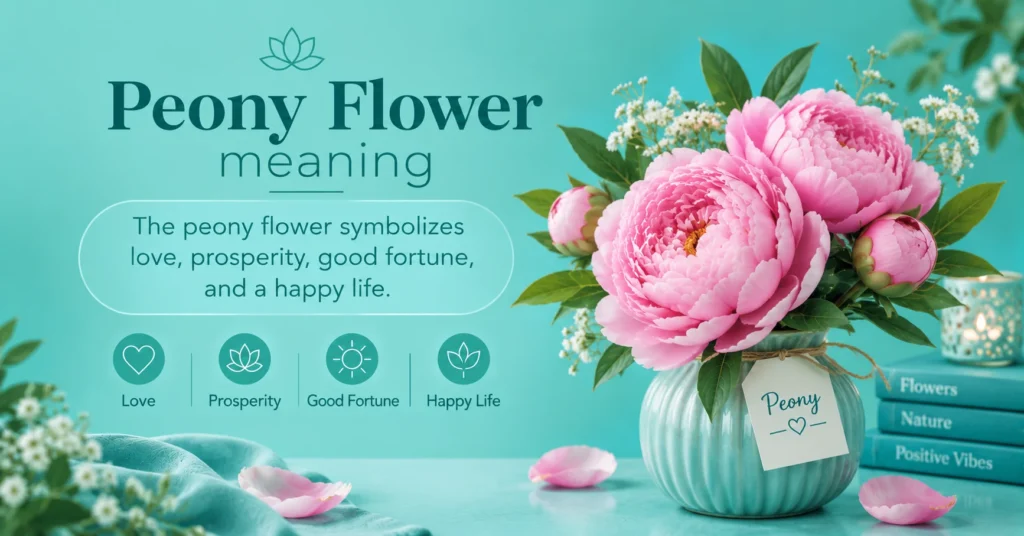
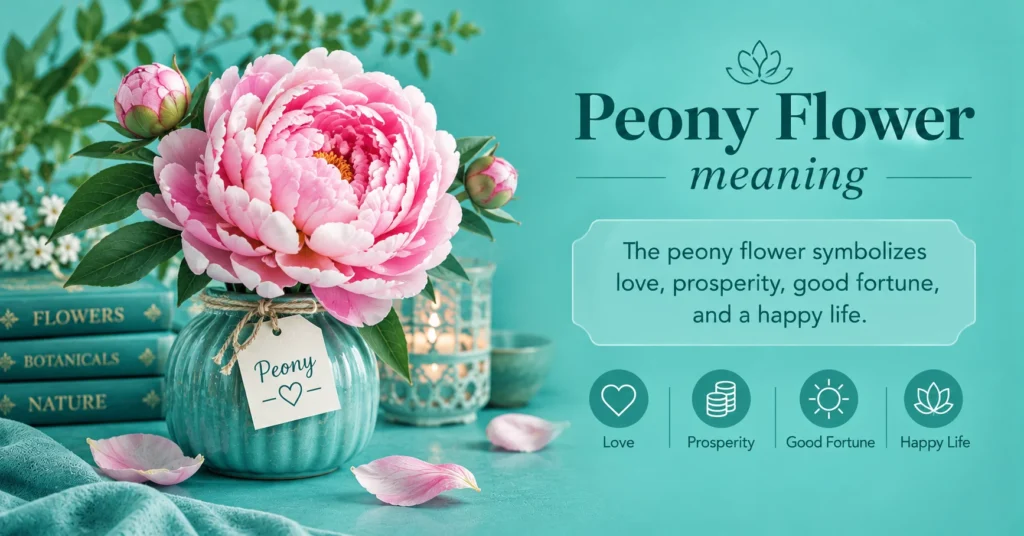
The peony flower meaning symbolizes abundance, romance, prosperity, honor, and good fortune. Its abundant petals have long made it an emblem of a flourishing life, while its luxurious appearance connects it with elegance and celebration. In many modern floral traditions, peonies also express affection, compassion, and wishes for lasting happiness.
Unlike flowers associated primarily with passionate romance, peonies can convey a broader message of enduring love and shared success. A pink bouquet may celebrate a relationship, while a white arrangement may represent a fresh beginning. These meanings are traditional interpretations rather than universal rules, so the recipient’s preferences and the occasion matter, too.
Peony Meaning Across Cultures
Peony symbolism changes across geographical regions and historical periods. In Chinese traditions, the flower is especially associated with wealth, honor, beauty, and prosperity. Japanese symbolism connects it with courage and noble beauty, while European flower language has linked it with bashfulness, romance, and healing. These traditions give the flower a particularly rich cultural history.
Understanding those differences prevents a common mistake: assuming every peony carries the same message everywhere. A peony in a Chinese-inspired artwork may communicate prosperity, while a bridal bouquet in the United States may emphasize romance and a happy marriage. Context, color, artistic style, and the giver’s intention all shape its interpretation.
Japan: Courage and the Warrior Aesthetic
In Japanese symbolism, the peony flower meaning, commonly called botan for the tree peony, can represent bravery, honor, and noble beauty. Traditional Japanese art sometimes pairs peonies with guardian lions, tigers, or koi. In tattoo designs, these combinations can communicate a balance between strength, protection, beauty, and courage.
Ancient Greece: The Healing God’s Flower
The botanical name Paeonia is traditionally connected to Paeon, a physician associated with Greek mythology. In a well-known version of the story, Paeon heals a god and is transformed into a flower to protect him from jealousy. This legend helps explain the peony’s traditional associations with healing and protection, although mythology is not historical proof of medicinal effectiveness.
Victorian England: The Blush of Bashfulness
In Victorian flower language, peonies were sometimes associated with bashfulness and shame. Their rounded buds, which gradually unfold into extravagant blooms, made them a fitting symbol for feelings that were initially hidden. Modern gifting more commonly emphasizes romance, prosperity, and celebration, but the historical interpretation adds another layer to the flower’s symbolism.
Peony Meaning by Colour
Peony color can change the emotional message of a bouquet. Pink usually suggests romance and affection, red conveys passion or honor, and white can represent purity, remembrance, or new beginnings. Coral, yellow, and purple peonies offer additional interpretations, although these meanings vary by cultural tradition and individual preference.
The table below provides a practical guide for choosing a color for a US gift or celebration. Treat each association as a traditional symbolic interpretation, not a universal floral code. When possible, choose a shade that reflects the recipient’s personality as well as the message you want to convey.
| Peony color | Common symbolic meaning | Suitable occasion |
| Pink | Romance, affection, happy marriage | Wedding, anniversary, romantic gift |
| Red | Passion, honor, respect | Romantic celebrations, milestones |
| White | Purity, remembrance, new beginnings | Engagement, sympathy, fresh start |
| Coral | Warmth, enthusiasm, gratitude | Birthday, congratulations, appreciation |
| Yellow | Joy, prosperity, optimism | New home, promotion, celebration |
| Purple | Admiration, elegance, ambition | Achievement, appreciation, special gift |
Pink peony meaning: Pink peonies are especially popular for weddings and romantic gestures. Their soft appearance conveys tenderness, affection, and hopes for a loving relationship. They are also a thoughtful option for celebrating an anniversary or expressing gratitude to someone who brings warmth and happiness into your life.
White peony meaning: White peonies can represent purity, sincerity, remembrance, and a new chapter. They may suit an engagement, a meaningful milestone, or a sympathy arrangement. Because cultural interpretations differ, consider the recipient’s circumstances and preferences before choosing white flowers for an emotionally sensitive occasion.
Red peony meaning: Red peonies are associated with passion, respect, honor, and prosperity, particularly in East Asian traditions. Their vivid appearance makes them suitable for celebratory arrangements and romantic gifts. When the message is admiration as much as affection, red peonies can express appreciation with a sense of confidence and dignity.
Coral and yellow peony meaning: Coral peonies can suggest warmth, enthusiasm, and gratitude, while yellow peonies are sometimes linked with happiness, prosperity, and optimism. Both colors work well for congratulating a friend, celebrating a professional achievement, or wishing someone well as they begin a new chapter.
Purple peony meaning: Purple peonies are often interpreted as symbols of elegance, admiration, and ambition. Their distinctive shade can make an arrangement feel sophisticated and personal. They may be a thoughtful choice when celebrating a creative accomplishment, recognizing someone’s leadership, or expressing respect for a person you deeply admire.
What Does a Peony Mean as a Gift?
Giving peonies is a way to express affection, appreciation, and hopes for happiness. Their symbolism makes them suitable for weddings, anniversaries, birthdays, and major life milestones. A bouquet can communicate a heartfelt message without requiring an elaborate explanation, particularly when you select a color that reflects the relationship or occasion.
For a romantic partner, pink or red peonies may express love and admiration. For a friend starting a business or moving into a new home, pink, coral, or yellow blooms can convey encouragement and good wishes. White peonies may suit a fresh beginning or a remembrance arrangement when the recipient would appreciate their symbolism.
A few practical considerations can make your gift more meaningful:
- For a wedding: Choose pink or blush peonies to celebrate love and partnership.
- For an anniversary: Select a color that reflects your shared memories and relationship.
- For a new home: Consider yellow or pink peonies as a symbolic wish for prosperity.
- For a thank-you gift: Choose the recipient’s favorite color to show thoughtful appreciation.
- For sympathy: Consider white flowers and follow the recipient’s cultural and personal preferences.
Peonies are seasonal cut flowers, and availability varies by location and growing conditions. If you want them for a particular event, ask your florist about the expected bloom season, available colors, and alternatives before placing your order.
The Peony in Art and History
Peonies have appeared in paintings, decorative textiles, gardens, and floral arrangements for centuries. Their associations with prosperity and honor made them especially prominent in Chinese art, while Japanese artists incorporated them into compositions featuring animals, landscapes, and other flowers. Their abundant blooms have also inspired Western artists and floral designers.
In traditional Chinese imagery, a peony may accompany a phoenix to suggest beauty, status, and good fortune. In Japanese-inspired art, it may appear with a lion or tiger, creating a visual contrast between delicate petals and powerful animals. These artistic combinations show how flowers can communicate cultural values as well as natural beauty.
The peony’s historical appeal continues today through wedding bouquets, botanical illustrations, home décor, and tattoo designs. Its layered shape lends itself to both delicate and dramatic styles, allowing artists to emphasize different ideas, from romance and elegance to courage and abundance.
Is the Peony a Birth Flower?
The peony is commonly recognized as a June birth flower, alongside the rose. This association makes it a popular choice for June birthday bouquets, personalized jewelry, botanical artwork, and gifts for people born during the month. Its full, celebratory blooms also fit the sense of warmth and abundance often associated with early summer.
Peonies are also traditionally associated with the 12th wedding anniversary. Their symbolism of prosperity and lasting affection makes them a fitting gift for couples celebrating another year together. A pink arrangement may emphasize romance, while a mixed bouquet can reflect the many experiences, memories, and shared achievements that strengthen a relationship.
Spiritual Meaning of the Peony
In spiritual and symbolic interpretations, peonies may represent abundance, renewal, compassion, and emotional growth. Their layered petals are sometimes understood as a reminder that personal growth happens gradually, with each new stage revealing something different. For people who find meaning in flowers, a peony can serve as a personal reminder to welcome love and appreciate life’s possibilities.
Some spiritual traditions and contemporary interpretations associate peonies with good fortune, harmonious relationships, and prosperity. Feng shui practitioners may use peony imagery as a symbol of abundance or romantic partnership. These are cultural and spiritual beliefs, however, not scientifically established effects. A flower or painting can be meaningful without guaranteeing a particular outcome.
If you are choosing a peony as a personal symbol, consider what it means to you. Perhaps it reminds you to nurture a relationship, appreciate your progress, or remain hopeful during a transition. That individual meaning can be just as important as the flower’s traditional symbolism.
Peony Tattoo Meaning
A peony tattoo often represents beauty, prosperity, honor, courage, or romantic devotion. Its elaborate petals create opportunities for detailed artwork, while its cultural associations can give the design personal significance. Some people choose peonies to celebrate resilience, commemorate a relationship, or express admiration for the balance between strength and gentleness.
Color and accompanying imagery can further shape the design. Pink or red peonies may emphasize romance and passion, while white or black-and-gray designs can communicate remembrance, elegance, or a fresh beginning. In Japanese-inspired tattoo art, pairing a peony with a tiger or guardian lion may emphasize courage and the protection of something precious.
Before choosing a culturally specific design, research its background and discuss the artwork with an experienced tattoo artist. The most meaningful tattoo is one whose symbolism, visual style, and cultural context you understand and genuinely appreciate.
Peony in Dreams: What Does It Mean?
In dream interpretation, peonies are sometimes associated with happiness, love, abundance, or changing relationships. A blooming flower might symbolize personal growth or a hopeful new chapter, while a fading bloom may prompt reflection on change or uncertainty. These interpretations are subjective, not scientific predictions about future events.
The details of a dream can influence its personal meaning. Receiving a bouquet might remind you of affection or recognition, while tending a peony plant could reflect patience and commitment. Rather than treating a dream as a definite omen, consider your emotions, recent experiences, and the associations you personally have with flowers.
A useful question to ask yourself is: What was happening in my life when I had this dream? Your answer may reveal why the image felt important to you, even if the dream has no fixed symbolic meaning.
In summary, peony flower meaning centers on love, prosperity, honor, beauty, and good fortune. Pink peonies are popular for romance, white blooms can represent new beginnings, and red flowers may express passion or respect. Whether you choose peonies for a wedding, anniversary, birthday, or personal symbol, their rich cultural history makes them a thoughtful way to express a meaningful message.
Conclusion
The peony flower meaning is deeply connected to love, prosperity, romance, honor, and good fortune. Its lush petals and beautiful appearance make it a meaningful choice for weddings, celebrations, and thoughtful gifts. Depending on the culture and color, peonies can also symbolize compassion, happiness, healing, and new beginnings. Whether you choose pink peonies to express affection, white peonies to represent purity, or red peonies to celebrate passion and success, each bloom carries its own special message.
Beyond their symbolism, peonies remind us to appreciate beauty, welcome meaningful connections, and celebrate life’s precious moments. Sometimes, a simple flower can express feelings that words cannot fully capture.
FAQs
Author

Ethan Carter is an SEO blogger specializing in internet slang, text abbreviations, and social media meanings. He creates clear, accurate, and reader-friendly content backed by thorough research. His goal is to help readers understand modern online language with reliable, easy-to-read guides.





One Comment